When it comes to online card games, “War” is a classic favorite that many of us have played since childhood. Whether you’re an aspiring novelist taking a break, a content marketer looking for a fun distraction, or a graduate student in need of a mental reset, mastering this game can be both relaxing and rewarding. So, how do you up your game and emerge victorious? Let’s dive into some strategies to dominate the online War card game! Check out RJM88 to know more
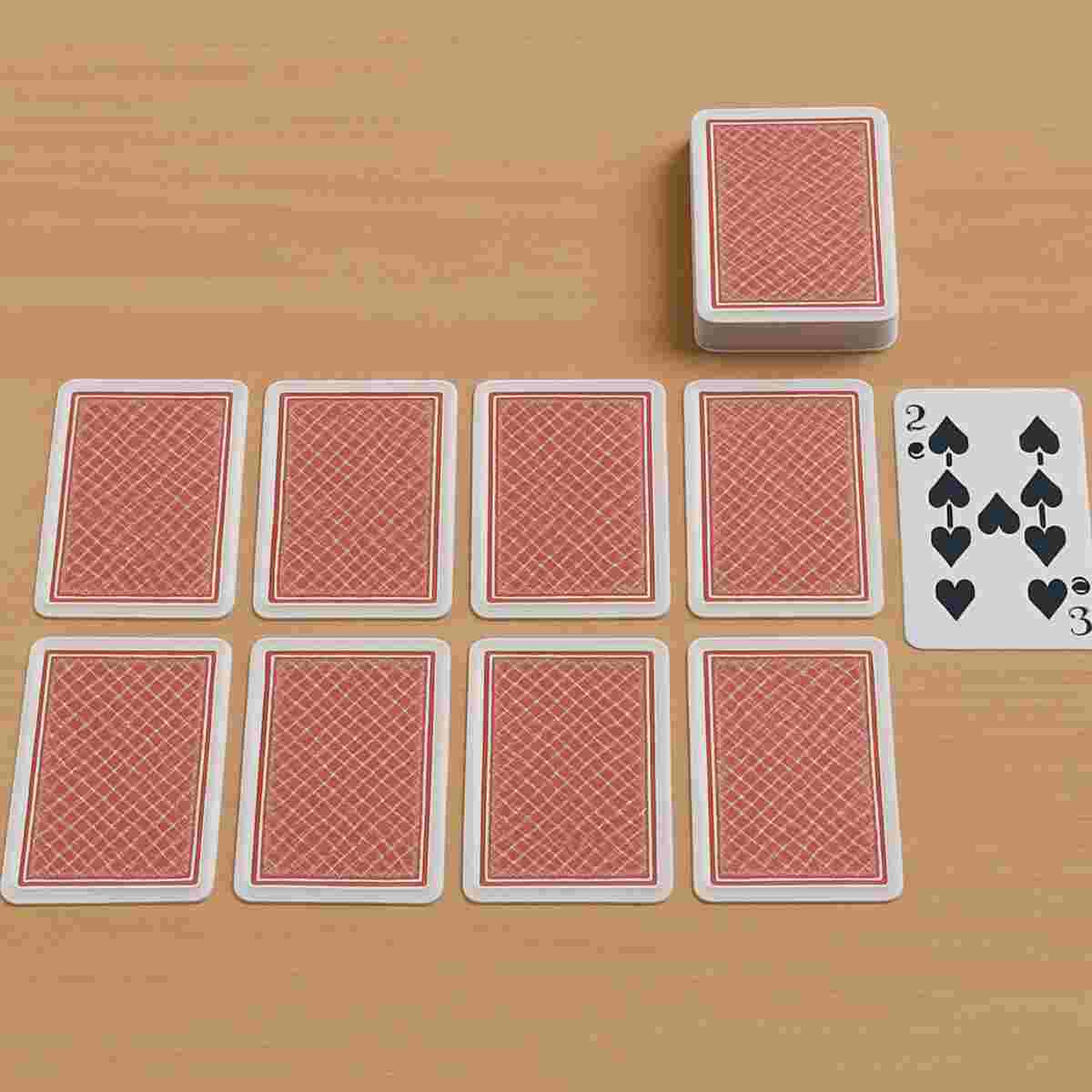
Before you can strategize, you need to understand the fundamentals. The War card game is simple: a standard deck of cards is divided evenly between two players. Each player flips a card simultaneously, and the player with the higher card value wins the round, taking both cards. In the event of a tie, a “war” ensues, where each player lays down additional cards, and the winner takes all.
Your goal is to collect all the cards in the deck. It might sound easy, but it requires a mix of luck and strategy. Winning all the cards requires you to not only rely on the draw but also to use strategic thinking in terms of knowing when to sacrifice and when to play aggressively. The balance between luck and strategy makes the game exciting and unpredictable.
Understanding the hierarchy of card values is essential in War. Aces are the highest, followed by kings, queens, and so on, down to twos as the lowest. Recognizing this hierarchy helps you make quick decisions during play. Knowing the card values by heart allows you to react swiftly to any situation, especially during a “war” scenario where quick thinking can give you an edge.
While skill plays a part, War is predominantly a game of chance. Each shuffle of the deck brings a new sequence of cards, meaning every game is unique. This unpredictability is what keeps players coming back, as it levels the playing field and ensures that no two games are ever the same. Embrace the element of surprise and use it to your advantage by staying adaptable.
While War is primarily a game of chance, staying focused and paying attention can give you a slight edge. Notice patterns in your opponent’s play style or any tendencies they may have. Observing your opponent can sometimes reveal subtle patterns, like a tendency to play high-value cards early on. Staying alert can help you anticipate their moves and plan your strategy accordingly.
Remember, War can be a long game, especially online, where you don’t have the physical cues of in-person play. Patience is key! The game may ebb and flow, with fortunes changing rapidly. By maintaining patience, you can avoid frustration and make more calculated decisions, particularly during critical moments like a “war” scenario.
Losing a few rounds can be discouraging, but keeping a cool head is crucial. Emotional play can lead to impulsive decisions that might cost you the game. Stay calm, and remember that each round is an opportunity to turn things around. By keeping your emotions in check, you can maintain clarity and focus on your overall strategy.
Even though War is a game of chance, understanding the probability of card outcomes can help you anticipate what might happen next. Keep track of which cards have been played to gauge what remains in the deck. By mentally noting the cards that have been revealed, you can estimate the likelihood of certain cards appearing in future rounds, giving you a strategic advantage.
When you hit a “war” situation, it’s tempting to just lay down cards without thought. But having a rough plan can be helpful. For instance, decide beforehand if you want to sacrifice a few high cards to win a larger battle later. This foresight allows you to conserve powerful cards for when they might have the most impact, ensuring you’re not caught off guard in crucial moments.
Just because it’s an online game doesn’t mean you can’t use a little psychological strategy! If you’re playing with someone you know, try to get into their head. Bluffing or throwing a few rounds to lull them into a false sense of security can sometimes work in your favor. By creating an illusion of vulnerability, you might provoke overconfidence in your opponent, leading them to make hasty or reckless moves.
Understanding when to play aggressively and when to hold back is key in War. If you find yourself with a series of high cards, consider playing aggressively to capitalize on your advantage. Conversely, if your cards are weak, it might be wise to play defensively and wait for a better hand. The ability to switch between aggression and caution based on your hand will keep your opponent guessing.
The best players are those who can adapt their strategy as the game progresses. Pay attention to how your opponent reacts to different situations and adjust your approach accordingly. Flexibility is crucial in War, as a rigid strategy may become predictable and easy to counter. By staying adaptable, you can maintain an element of surprise and keep your opponent off balance.
There are numerous online platforms where you can practice playing War against different opponents. This exposure will help you refine your strategy and get used to various styles of play. Regular practice allows you to test different strategies and learn from your mistakes, gradually improving your decision-making skills and understanding of the game dynamics.
Engage with online forums and communities dedicated to card games. These groups can offer valuable insights, strategies, and sometimes even live tournaments to test your skills. By participating in discussions and sharing experiences, you can gain new perspectives on the game and discover innovative tactics that you might not have considered.
Many experienced players share their gameplay videos online, providing a wealth of knowledge for those looking to improve. Watching these videos can expose you to new strategies and techniques, offering a firsthand look at how successful players approach different scenarios. By observing their decisions and thought processes, you can gain valuable insights to enhance your own gameplay.
After each game, take a moment to reflect on your performance. Consider what strategies worked well and where you made mistakes. By analyzing your gameplay, you can identify patterns and areas for improvement, allowing you to refine your approach for future games. This self-assessment is a crucial step in becoming a more skilled and strategic player.
Some online platforms offer simulation tools that allow you to practice specific scenarios, such as a “war” situation or a sequence of card plays. These tools can help you hone your skills in a focused manner, allowing you to experiment with different strategies and see their outcomes in a controlled environment. By using these tools, you can develop a deeper understanding of the game’s mechanics.
While it’s great to win, remember that the primary goal is to enjoy yourself. The simplicity of the War card game is what makes it so appealing, especially when you need a break from more complex tasks like writing novels, creating content, or conducting research.
- Strategic Thinking: The game encourages you to think ahead, a skill that’s useful in storytelling and content creation. Developing a strategic mindset can enhance your ability to plan and execute complex projects in various fields, making you more effective in your work.
- Patience and Focus: Both are vital for writing and editing, especially when dealing with complex material. By cultivating these qualities through gameplay, you can improve your concentration and perseverance, leading to more efficient and thorough work.
- Relaxation: Taking a break with a simple game can refresh your mind, making you more productive in your work. The mental reset provided by playing War can help alleviate stress and improve your overall well-being, allowing you to return to your tasks with renewed energy and clarity.
Playing War can also evoke fond memories of childhood, providing a comforting sense of nostalgia. This emotional connection can enhance your enjoyment of the game, making it a cherished pastime that brings joy and relaxation. Embracing the nostalgia can help you appreciate the game on a deeper level, enriching your experience and making it a meaningful part of your leisure time.
War is a game that can easily be shared with friends and family, fostering connections and creating opportunities for social interaction. By playing with others, you can strengthen relationships and enjoy shared experiences, making the game not only a source of entertainment but also a means of building bonds with those around you.
The online War card game might seem straightforward, but with the right strategies, you can improve your chances of winning while having a blast. Remember, the key is to enjoy the game, learn from each round, and apply these insights to your other endeavors. So, shuffle those cards, put on your game face, and get ready to declare War!
Feel free to share your victories and strategies with fellow enthusiasts, and perhaps even host a virtual game night with friends. Who knew a childhood favorite could be such a rich source of entertainment and mental agility? Now, go out there and conquer the deck! Whether you’re playing for fun or honing your skills for competitive play, embrace the challenge and enjoy the journey.