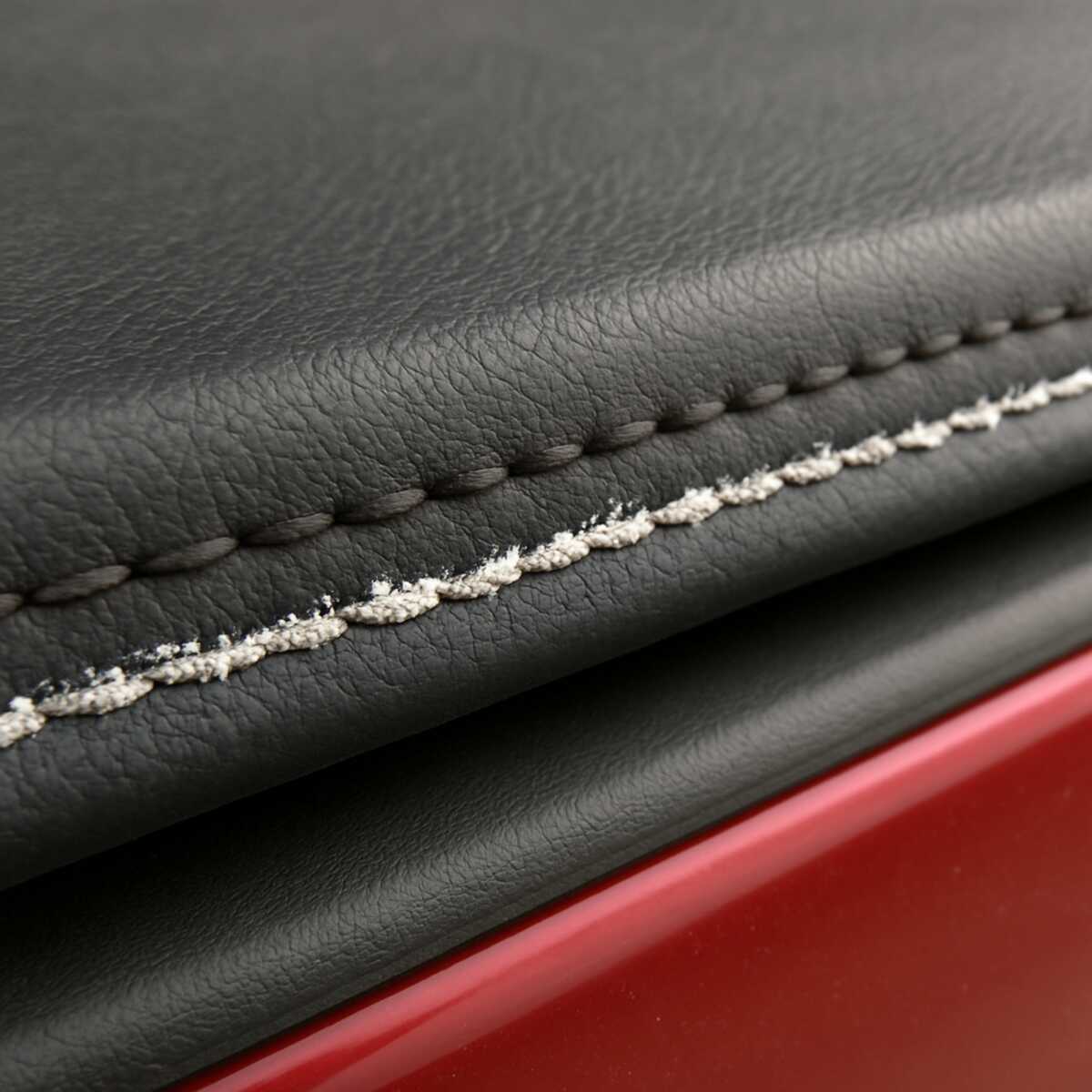
You spent hundreds of dollars to keep your gear dry and your truck looking sharp, but simply installing a truck bed cover isn’t enough to guarantee it lasts. Think of that vinyl or aluminum surface like a heavy-duty pair of leather work boots; if you expose them to harsh weather and never condition them, they eventually dry out, crack, and fail at the seams. Maximizing your investment protection requires a little proactive attention before those weather-beaten signs appear. Most drivers assume a quick blast at the automatic car wash is all it takes, yet harsh wash chemicals can actually strip away essential factory protectants. The best guide to finding quad fold tonneau cover.
Stepping up to a quad fold tonneau cover introduces a whole new level of mechanical complexity to your tailgate. Because this design folds in four sections rather than three, you are dealing with twice as many hinges, latches, and rubber seals that constantly bend and shift as you access your bed. According to standard manufacturing designs, every additional joint creates another potential entry point for water and grit to sneak inside. Those extra moving parts give you superior cargo access, but they also create hidden maintenance zones that easily trap road dust and corrosive winter salt.
Have you noticed your panels getting noticeably harder to fold back lately, or spotted a mysterious puddle near the bulkhead after a heavy rainstorm? In practice, tonneau cover failures rarely happen overnight; they announce themselves through faded gray vinyl, chalky rubber edges, and hinges that feel stiff and gritty. Catching these warning signs early is crucial because forcing a seized latch or ignoring a dried-out weather seal usually leads to a costly replacement. You want the panels to glide smoothly and the rubber edges to leave a clean, flexible barrier against your truck’s rails.
Fortunately, preventing these headaches does not require a specialized mechanic’s toolbox or an entire Saturday afternoon. Setting aside just 15 minutes a month for dedicated maintenance offers a massive payoff, ensuring your cargo stays bone-dry for years to come. By learning exactly where to clean, how to lubricate safely, and what chemicals to avoid, you can easily keep your cover performing like it did on day one.
Soft vs. Hard Quad Fold Durability: Knowing Your Materials
You already know your cover is either a flexible fabric or a rigid metal, but those differences go deeper than just everyday looks. When evaluating soft vs hard quad fold durability, the biggest hidden factor is how they handle the blistering summer sun. Think of how a metal playground slide gets scalding hot and shifts slightly in July, while a leather car seat simply bakes and dries out. Your truck cover does the exact same thing. Aluminum bed panels physically expand and contract with temperature swings, which slowly loosens your hinge hardware over time. Meanwhile, soft materials bake in the heat and require moisture replenishment before they become brittle and crack.
Because of these distinct reactions, treating both styles the same way is a recipe for premature wear. Your cover’s material-specific chemistry dictates how you should care for it:
- Vinyl tonneau covers: Require water-based UV protectants—think of this like SPF 50 sunscreen—to keep the flexible fabric supple and deep black.
- Hard aluminum covers: Need gentle soaps that won’t strip their protective powder coating, plus regular bolt tightening to combat the effects of heat expansion.
Grabbing whatever heavy-duty cleaner sits on your garage shelf is the fastest way to ruin your investment. Harsh household detergents easily strip the essential oils right out of soft covers, leaving them a chalky, faded gray in a single season. Even if you skip the DIY cleaning and take your truck down the road for a quick spray, you aren’t completely safe. Relying on automated drive-through bays introduces a hidden danger to your finish.
The ‘Car Wash Trap’: Why Automatic Washes Can Ruin Your Finish
Pulling into a drive-through bay seems like the easiest solution when washing a truck with a tonneau cover, but that convenience costs you. Those spinning mechanical brushes act like giant scouring pads, micro-scratching your cover’s top finish. Worse, the brightly colored foaming agents blasted over your truck are aggressively formulated to dissolve baked-on road grime instantly. When these heavy-duty degreasers hit your cover, they trigger a destructive process called plasticizer stripping. Think of plasticizers as the hidden essential oils keeping your vinyl flexible; once harsh detergents suck them out, the material becomes stiff and highly prone to cracking under the sun.
The pH balance in soaps is the secret to stopping this rapid aging. Automated bays rely on high-pH, alkaline car wash chemicals that eat heavy grease but easily destroy weather-treated fabrics. If your deep black cover is turning a chalky gray or you notice stubborn white crust building up along the edges, you are witnessing chemical stripping firsthand. These alkaline soaps literally dissolve your protective UV inhibitors, leaving your truck bed completely defenseless.
Sometimes a drive-through is unavoidable, so if you must use one, always choose a “touchless” bay and explicitly decline any spray-on wax treatments. Automated hot waxes are designed for glossy vehicle paint, not textured materials, and they will seal dirt right into your cover’s grain. Proper tonneau cover maintenance requires skipping these quick shortcuts and utilizing dedicated cleaners designed for matte finishes.
Best Cleaners for Matte Finish Truck Covers
Finding the best cleaner for matte finish truck covers is surprisingly straightforward once you skip the harsh automated bays. You simply need a dedicated, pH-balanced car wash soap without any added waxes or gloss enhancers. Many well-meaning owners mistakenly grab tire shines or interior dashboard protectants to restore that fresh look, but those silicone-based products ruin the factory texture. Silicone creates a greasy, shiny film that acts as a powerful magnet for road dust, instantly destroying the sleek aesthetic you paid for.
Timing your matte tonneau cleaning is just as crucial as the chemicals you pour into your bucket. Washing a hot cover in direct sunlight causes the soap to evaporate almost instantly, leaving behind cloudy, baked-on streaks known as matte surface ghosting. To prevent these stubborn white stains, always park in the shade and wait until the material feels cool to the touch. Gently massage the soapy lather into the textured grain using a soft microfiber mitt to lift embedded grime safely without scouring the vinyl or aluminum.
Protecting the finish during this scrubbing process means utilizing the two-bucket wash method. Fill one bucket with your soapy mix and a second with plain, clean water. After wiping a section of your cover, completely rinse your dirty mitt in the plain water to drop the trapped grit before grabbing fresh soap. Once the top surface is thoroughly rinsed and drying to a perfectly streak-free finish, you can safely unlatch the panels to focus on the mechanical joints.
Cleaning Debris from Folding Hinges
Lifting those freshly washed panels reveals the hidden mechanical heart of your setup, making hinge cleaning your next critical step. Every time you drive down a gravel road or park under a shedding oak tree, tiny particles settle into the crevices between the sections. When you operate the cover, these trapped particles grind against the moving joints. This creates abrasive grit friction, essentially acting like rough sandpaper that slowly eats away at the protective coating and metal components of your tonneau hinges. Left ignored, this quiet grinding turns a smooth, one-handed operation into a frustrating wrestling match.
Identifying exactly where this dirt hides is the key to effective truck bed cover maintenance. Your quad-fold setup features specific hinge “catch zones”—the deep aluminum grooves and channels where the panels pivot and overlap. Think of these zones like the hinges on a laptop computer; if a pebble gets stuck inside and you force it closed, the hinge will leverage against the obstruction and crack. Leaving compacted dirt in these catch zones causes hinge binding, where the joints lock up unexpectedly. If you impatiently force a bound cover to fold, you risk permanently bending the frame.
Flushing out these vulnerable catch zones requires a gentle touch rather than brute force. Resist the urge to blast the joints with a high-pressure hose nozzle, as driving water deep into the mechanical pivots can easily rupture the delicate, hidden waterproof membrane that keeps your cargo dry. Instead, simply use a dry, soft-bristle detailing brush or a basic household paintbrush to sweep out loose sand and leaves. With the metal joints cleared of damaging grit, attention can naturally shift to the flexible rubber barriers.
Preventing Rubber Seal Dry Rot: The EPDM Guide
Nothing ruins a weekend project faster than finding an unexpected puddle in your truck bed. The secret to preventing water intrusion before it starts lies in the thick black borders along your cover’s edges, known as EPDM seals. This specialized automotive rubber acts like a watertight gasket to keep your cargo completely dry. When brand new, this tonneau weather stripping is packed with chemical softeners called plasticizers that give it a flexible, sponge-like squish. Unfortunately, harsh outdoor elements slowly bake these softeners out, making rubber seal hydration a vital piece of your monthly maintenance routine.
Checking the health of these vulnerable gaskets takes just three seconds using “The Finger Test.” Firmly run your bare index finger along the top of the rubber. If your seals are starving for moisture and beginning to degrade, you will notice these 3 signs of rubber seal failure:
- A dark, charcoal-colored smudge left behind on your skin.
- Tiny hairline cracks appearing when you press down on the gasket.
- A hard, plastic-like texture instead of a soft, yielding bounce.
Restoring that crucial flexibility requires wiping the perimeters with a water-based rubber conditioner. Apply the protectant directly to a microfiber cloth and massage it in until the rubber looks deeply black but not greasy. Avoid using petroleum-based tire shines, as they act like solvents and will actually accelerate the drying process. Reviving these rubber gaskets perfectly prepares the rest of your cover for its ultimate defense against the elements.
UV Protection for Vinyl Tonneau Covers: SPF for Your Truck
The summer sun acts like a slow-motion sander on your truck bed. Without a defense plan, continuous exposure to harsh sunlight causes UV degradation—a process where invisible rays literally bake the essential oils right out of the material. Before long, that premium, deep black surface turns into a chalky, faded gray that makes your whole rig look tired. Treating your cover is just like putting SPF 50 on your skin before a day at the beach; it blocks the damaging rays and keeps the material flexible so it will not crack under stress.
Reaching for the cheapest tire shine on the auto parts shelf is a common mistake that actually speeds up this aging process. Those glossy sprays are usually petroleum-based, meaning they leave behind a greasy, sticky residue that acts as a magnet for abrasive road dust. Instead, proper vinyl tonneau care requires a water-based formula. A quality water-based spray penetrates the pores of the vinyl to nourish the material from the inside out, rather than just sitting on the top surface and attracting grime.
Applying the barrier correctly takes only a few minutes with a clean microfiber towel. Spray the liquid lightly across one folding section at a time, then firmly buff it dry until the surface feels completely smooth and looks matte, never slick. Keeping up with this simple routine extends that showroom-rich black look by several years. For owners with aluminum setups, however, combating the sun requires a different set of materials entirely.
Restoring Faded Aluminum Bed Panels
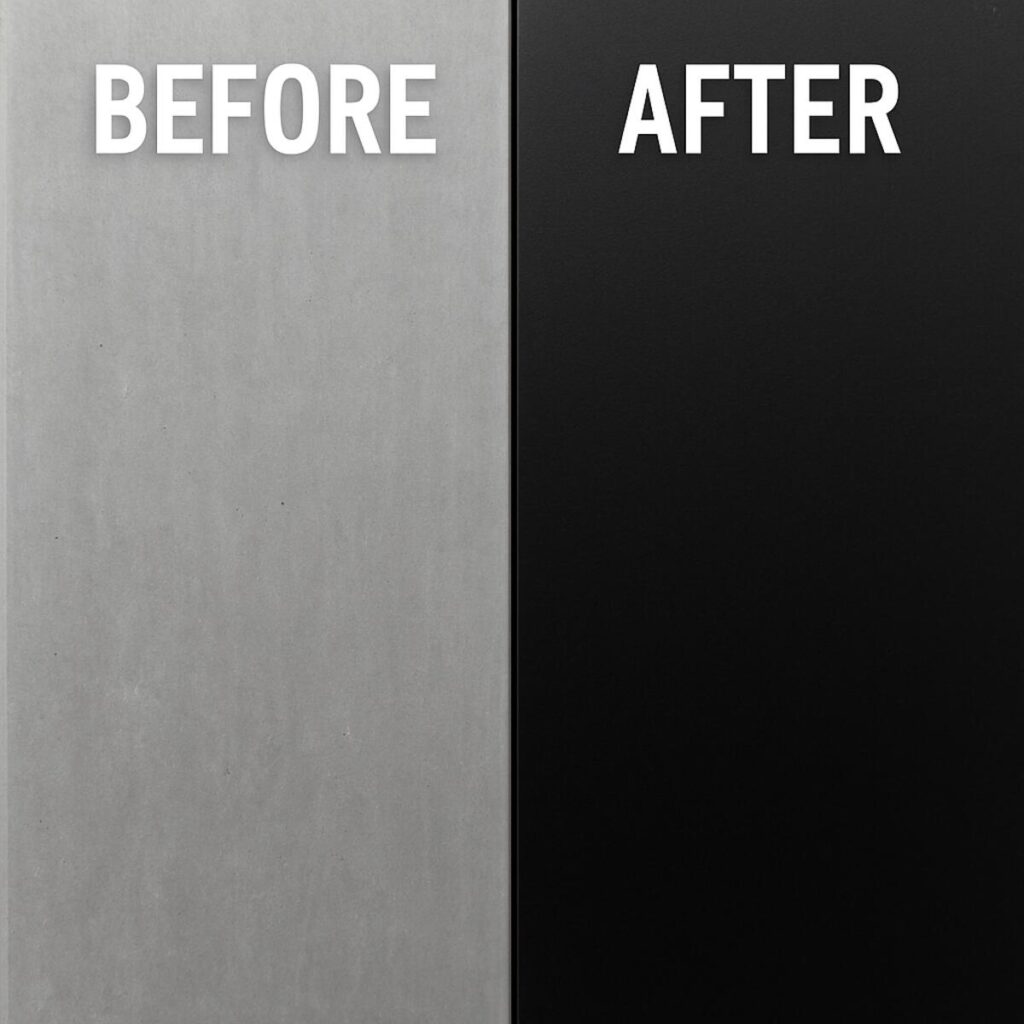
Hard folding covers face their own unique battle against the elements, often falling victim to powder-coat oxidation. This happens when the factory paint breaks down under the sun, leaving a dull, whitish haze that instantly ages your truck and tanks the resale value of your expensive gear. The secret to restoring faded aluminum bed panels isn’t scrubbing harder with a harsh brush, which will only scratch the delicate finish. Instead, use a mild automotive polish applied with a soft foam pad. Gently massaging the polish into the metal lifts away that dead layer of paint, revealing the rich, dark factory finish underneath without leaving unsightly swirl marks.
Once that smooth, deep color is back, locking it in requires a high-quality surface sealant. Many weekend mechanics instinctively grab traditional carnauba wax for their aluminum tonneau restoration. While wax looks fantastic initially, it often melts away after just a few weeks on a scorching hot truck bed. A better, longer-lasting approach is using a synthetic ceramic spray coating. Think of a ceramic coating as a liquid glass shield; once buffed onto the panels, it cures into a durable barrier that actively repels water, blocks UV rays, and stops oxidation from returning for months.
Having a flawless, glossy cover is incredibly satisfying, but that beauty means nothing if water secretly creeps into your truck bed. The heavy-duty panels might be protected, but the vulnerable rubber edges connecting them still require dedicated conditioning.
Applying Silicone Spray to Weather Stripping
Nothing ruins a peaceful drive faster than the relentless squeaking of dry rubber rubbing against metal. Those thick rubber edges between your folding panels do a lot of heavy lifting, but when they dry out, they complain loudly and lose their protective qualities. In freezing weather, neglected seals can even stick solid to your tailgate, risking a permanent tear the next time you force the cover open. Treating these vulnerable areas with a dedicated tonneau seal lube solves both problems instantly by keeping the rubber supple and naturally repelling moisture.
The real magic of this maintenance step is preserving what manufacturers call a “crush fit.” When you clamp your cover down, the rubber needs to compress—or crush—tightly against the bed rails to form an impenetrable barrier against rain. Brittle seals refuse to compress, leaving tiny gaps for water to sneak through. However, blasting lubricant wildly across your truck bed creates a slippery, greasy mess on your freshly restored aluminum panels. Practicing basic over-spray prevention is essential here; instead of aiming the aerosol can directly at the truck, simply spray the silicone onto a clean microfiber cloth first.
Massaging that dampened cloth directly along the rubber edges gives you perfect control over the chemical. By applying silicone spray to weather stripping this way, you ensure the rubber absorbs the conditioning oils without leaving a slick residue on your gear or paint job. Give the rubber a few minutes to drink in the protectant before closing the panels to test your newly restored crush fit.
How to Stop Truck Bed Cover Leaks
Discovering a puddle inside your supposedly waterproof truck bed is incredibly frustrating. Instead of assuming the cover is permanently broken, you must distinguish between a “seal leak” (worn rubber on the folding panels) and a “rail leak” (water sneaking under the mounting hardware). Almost 90 percent of tonneau leaks happen at the bulkhead—the front wall directly behind your cab. Because most trucks have a slight height drop-off where this front wall meets the side rails, water easily pools and slips underneath unless you install a dedicated foam weather seal across that gap.
You don’t need specialized mechanic tools to find these hidden entry points. Figuring out exactly how to stop leaks requires just a standard flashlight and a highly effective routine called the “Light Test”:
- Wait for dusk or park inside a completely dark garage.
- Have a helper climb into the truck bed with a bright flashlight and close the cover.
- Ask them to slowly trace the beam along the mounting rails and front bulkhead.
- Stand outside and watch the edges; wherever light shines through, rain will follow.
After identifying those glowing spots, leveling out the bulkhead with basic weather stripping usually stops the intrusion completely. While sealing these perimeters keeps the rain out, moisture isn’t the only element threatening your cover’s lifespan. Dust and road grit constantly blow around the bed, settling deep into your folding joints.
The ‘Magnet Warning’: Why the Wrong Lube Kills Hinges
When your cover starts groaning, your first instinct might be grabbing a standard can of WD-40. However, wet sprays and heavy greases ruin routine tonneau maintenance by acting like liquid dust magnets. As you drive, airborne grit sticks to those wet hinges, blending with the oil to create a destructive grinding paste effect. This gritty mixture acts exactly like liquid sandpaper, quietly wearing down the metal pivot points every time you fold the panels to load your truck bed.
To avoid this trap, lubricating tonneau hinges requires a specialized product known as a dry film lubricant. This spray acts like a non-stick coating for your hardware because it goes on wet to penetrate tight spaces but dries completely in seconds, leaving a slick barrier that repels dirt. Apply it safely by holding a rag right behind the joint as a shield, giving the pin a quick half-second burst, and immediately wiping away overspray before it has a chance to stain your vinyl or aluminum panels.
Sometimes, preventative care comes too late, and you need to recognize when a joint is completely beyond saving. If a hinge feels dangerously sloppy or you spot shiny metal shavings pooling underneath it after wiping it down, the internal pin is permanently chewed up and requires a replacement. Provided your main hinges are still healthy and moving freely, you can use that same dry spray underneath the cover to tackle the remaining hardware.
Lubricating Mounting Brackets and Latches
Getting the hinges moving smoothly is only half the battle. The real heavy lifting is done by the clamps holding everything down, making lubricating mounting brackets and latches a vital monthly routine. Morning condensation underneath the cover creates a humid environment that slowly encourages rust on unprotected metal. Hitting these pivot points with a quick shot of dry film spray creates a moisture barrier that stops corrosion before it can freeze the locking components solid.
Have you ever noticed one side of your cover snapping shut easily while you have to forcefully slam the other side? This uneven closing pressure happens when the mechanisms fall out of sync, meaning one locking jaw drags while the opposite side moves freely. Latch synchronization simply involves getting all your tonneau hardware to operate with the exact same resistance. By applying dry lube to the internal springs on both sides at once, you allow the clamps to glide shut in perfect harmony, which prevents frame warping and ensures a tight, even weather seal across the tailgate.
Quiet driving is the immediate reward for taking care of these under-cover parts. When brackets stick instead of clamping cleanly, they leave tiny gaps that allow panels to squeak and flutter in the highway wind. However, while a well-lubricated lock eliminates grinding noises, it cannot fix parts that have physically backed out on rough roads.
Tightening Loose Tonneau Hardware: The Vibration Check
Hitting daily highway potholes does more than spill your coffee; it actively works against your bed cover. This shaking causes road-induced loosening, a natural process where constant truck vibrations force nuts and bolts to slowly back out of their threads. When these hidden fasteners lose their grip, you end up with an annoying metal-on-metal rattle echoing through the rear window. Taking five minutes to check these connections is the easiest way to silence the noise and protect your truck.
Finding the culprits means checking the “critical four” corner anchors on your quad-fold: the two primary tonneau clamps directly behind the cab and the two right at the tailgate. If just one of these corners works loose, an aggressive crosswind on the interstate can catch the panel like a parachute. Routinely tightening hardware at these specific points guarantees your cover won’t suddenly fly off while you are driving at highway speeds.
You only need a basic socket wrench for this job, but remember to use the “Finger Tight Rule” to avoid accidental damage. Simply spin the nut down by hand until it stops, then add exactly one quarter-turn with your wrench. Cranking the bolts down as hard as you can will actually crush the aluminum frame and pull the entire cover out of square. Once your clamps are safely snugged without being crushed, check for any leftover uneven gaps along the tailgate.
Fixing Panel Alignment Issues
Even if your clamps are perfectly snug, daily driving forces can still push your quad-fold cover slightly out of place over time. This slow, microscopic shifting is known as “walking,” and it is the primary culprit behind sudden, unexplained side-wall leaks after a heavy rain. When the framework drifts closer to one side of the bed than the other, the rubber seals lose their tight compression, allowing water to sneak past the edges. Catching this shift early makes panel realignment a simple ten-minute adjustment rather than a frustrating morning discovering soaked cargo.
To get everything back on track, perform a basic squareness calibration using a standard garage tape measure. Start by loosening the front anchors just enough so the frame can slide, then close the tailgate and measure the distance between the cover’s edge and the inside bed rail on both the driver and passenger sides. Your goal is to shift the assembly gently until those two measurements match. Aim to get both sides equal within an eighth of an inch, which guarantees the protective rubber flaps rest squarely and evenly on the metal bed rails.
Maintaining a centered truck cover does more than just keep the rain out; it actively extends the life of your side seals by stopping uneven rubbing every time you fold the sections. When rubber dragging against metal is eliminated, the materials won’t wear down prematurely like a pencil eraser on rough paper. With the exterior properly aligned and sealed against the elements, it is the perfect time to inspect the dark environment underneath.
Removing Mildew from Underside of Panels
Opening your newly aligned cover might reveal an unpleasant surprise: a musty, damp odor drifting up from the bed. This classic “truck bed smell” happens because of the trapped moisture cycle, a process where daily condensation builds up underneath the dark panels and gets locked inside by your newly tightened side seals. Without proper airflow, that humid environment becomes the perfect breeding ground for spores, eventually threatening to spread mold directly onto your stored tools, luggage, or groceries.
When removing mildew from the underside of panels, avoid reaching for harsh bathroom chemicals like bleach, which can permanently weaken the cover’s structural core or corrode the aluminum framework. Instead, grab a spray bottle filled with equal parts plain white vinegar and water. Vinegar acts as a highly effective, natural antimicrobial cleaning agent that safely penetrates materials to kill mold spores right at their roots. Simply mist the solution over the fuzzy or discolored spots, let it sit for ten minutes to break down the buildup, and gently wipe the grime away using a soft microfiber cloth.
Leaving the quad-fold sections propped open in the afternoon sun for an hour afterward uses natural heat to completely dry out any lingering moisture. Incorporating this quick tonneau mold cleaning habit into your seasonal maintenance guarantees your cargo area stays fresh year-round.
How to Wash a Truck with a Tonneau Cover
High-pressure wands might seem like the quickest way to get clean, but that intense spray easily forces water right past your weatherstripping. Washing a truck with a tonneau cover safely means treating the top like a delicate umbrella rather than a durable steel bumper. Focus your initial attention on transition cleaning—gently washing the tricky gap between the back of your cab and the first folding panel. Use a standard garden hose and a soft wash mitt loaded with mild automotive soap to scrub this debris-catching area, preventing trapped dirt and leaves from slowly eating away at the vital rubber seals.
Removing the suds without flooding your cargo box requires a specific approach known as flood rinsing. Simply take the spray nozzle completely off your garden hose and let a gentle, steady sheet of water flow freely over the panels. This low-pressure cascade acts exactly like a normal rainstorm. Natural gravity easily carries the soap off the sides and over the tailgate without actively driving moisture underneath the protective hinges or forcing its way through the foam weather seals.
Letting the wet surface air dry sounds tempting, but ordinary tap water leaves behind mineral deposits that quickly bake into chalky white water spots. Grab a clean microfiber towel and wipe the entire cover down immediately after rinsing to lock in that deep, clean finish. Keeping the exterior completely dry and free of lingering soap prepares the material for extreme weather conditions.
Seasonal Maintenance: The Summer Heat Checklist
Just like your skin needs sunscreen at the beach, your tonneau cover requires serious UV protection when July temperatures spike. Blistering summer sun acts like slow-motion sandpaper on vinyl, baking the material until it turns a faded, chalky gray. To prevent this premature aging, wipe down the surface with a water-based, silicone-free protectant right after drying. Think of this spray as SPF 50 for your truck bed—it blocks the harsh rays and keeps the cover supple so it won’t crack when you fold it.
Beyond fading, extreme 100-plus degree surface temperatures trigger a physical reaction known as heat expansion. When black vinyl bakes in the afternoon sun, it naturally softens and stretches out, turning a once-tight cover into a loose trampoline that flaps wildly on the highway. Left unchecked, this constant vibration stresses the stitching and inevitably causes tearing. You can easily fix this by utilizing the tension adjustment blocks—small sliders or dials located under the rails near the tailgate—to carefully pull that extra slack tight.
Protecting your investment during the hottest months is simple if you follow this quick summer truck bed maintenance checklist:
- Condition the top with a dedicated UV spray every 30 days.
- Tighten the tensioning system just enough to remove heat-induced slack.
- Park in the shade whenever possible to give the adhesives a break.
Of course, once the leaves drop and temperatures plummet, that expanded vinyl will rapidly shrink and harden.
Seasonal Maintenance: The Winter Salt Checklist
Driving through winter slush coats your truck in harsh chemicals that silently attack your bed cover. If left sitting on the aluminum frame, these minerals cause a destructive reaction called aluminum pitting—think of it as microscopic cavities permanently eating into the smooth metal. To stop road salt corrosion before it weakens the structure, you must practice salt neutralization. Simply rinse the rails and underside frequently with water and a splash of white vinegar to safely dissolve that stubborn salt build-up.
Plunging temperatures will also quickly turn flexible folding joints into rigid, stubborn obstacles. When moisture seeps into the moving parts and freezes overnight, you inevitably end up wrestling with a frozen tonneau that refuses to budge. Forcing the panels apart puts immense stress on the hardware and can actually snap the hinge pins. Preemptively treat those joints with a dry graphite lubricant before the first freeze to keep everything mobile in sub-zero temperatures, which avoids attracting the abrasive winter grit that wet chemical sprays catch.
Along the exterior edges, heavy ice build-up poses a similar threat to your soft rubber weather seals. Yanking open an iced-over panel can tear chunks of rubber right off, instantly destroying the watertight integrity and guaranteeing leaks later. Gently clearing frost with a soft bristle brush and applying silicone conditioner keeps those seals from freezing directly to your tailgate.
Maximizing Truck Bed Cover Lifespan: The 15-Minute Habit
Surviving the winter freeze is a massive victory, but keeping your gear protected year-round requires shifting to a consistent routine. Replacing a quad-fold cover because the vinyl cracked or the frame warped can easily drain $800 or more from your wallet. By learning to spot early warning signs of wear—like a chalky gray fade on the surface or hinges that suddenly feel stiff—you stop minor issues before they become permanent damage. This proactive approach is the absolute secret to maximizing truck bed cover lifespan.
Building this routine won’t consume your entire Saturday; a simple 15-minute habit is all it takes. Think of it like changing your truck’s oil—regular, quick check-ins keep everything running smoothly. To put the best tonneau longevity tips into practice, stick to this straightforward cadence:
- Monthly: Wash with a mild, pH-balanced soap and do a quick “finger test” on the rubber seals to check for degrading black residue.
- Quarterly: Apply a UV protectant and massage a silicone conditioner into the weather stripping.
- Yearly: Inspect the aluminum rails, tighten any loose tensioning bolts, and apply dry graphite to the folding hinges.
Sticking to this schedule guarantees your cover stays a deep, rich black instead of fading to a dusty gray, and ensures the latches click securely without needing to be forced.
The Weekend DIY Roadmap to a Forever-Cover
Mastering the three pillars of proper care—cleaning away grit, protecting against sun damage, and tightening hardware—puts you in full control of your quad fold tonneau cover maintenance. You now possess the exact skills needed to keep your cover operating smoothly and your cargo completely dry.
You spent hard-earned money to secure your truck bed, so treat this simple routine as your primary investment protection plan. The golden rule of this truck cover guide is clear: do not wait for a leak to start your maintenance. Catching a dry rubber seal today prevents waking up to waterlogged tools tomorrow.
This Saturday morning, grab a bucket of mild soapy water, a soft microfiber cloth, and your UV protectant. Head out to the driveway with your coffee and spend fifteen quick minutes giving your equipment its first proper inspection.
Applying these practical steps builds immediate confidence in your vehicle care abilities. A little proactive attention guarantees your cover will glide open effortlessly, latch securely, and stay in great condition for many miles down the road.